Crawl Space Water Damage in Chapel Hill, NC
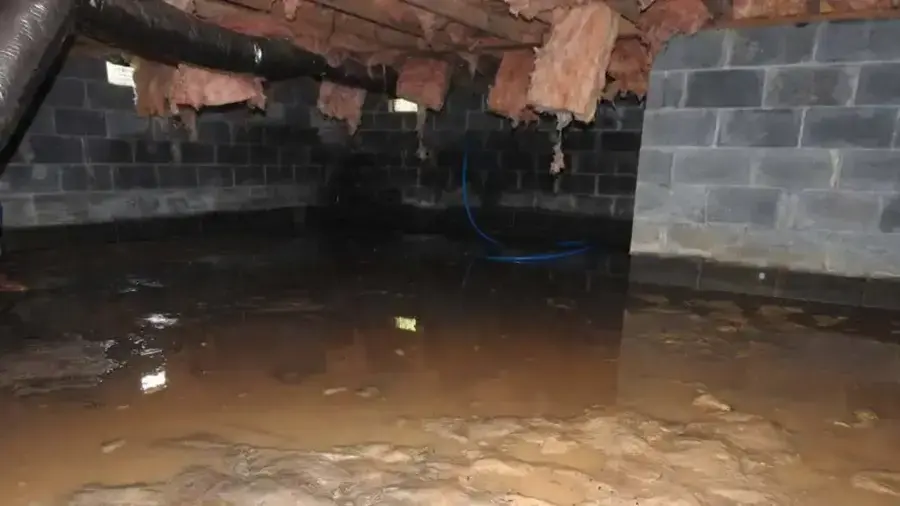
Water under the floor stays out of sight while it soaks joists, insulation and subfloor. The Chapel Hill restoration crew pumps it out, dries the framing and logs the readings.
(888) 578-4720Get a Chapel Hill pro on the phone about crawl space water damage- IICRC S500 drying standard
- Crawl space pump-out
- 24/7 dispatch
What to do first about crawl space water damage in Chapel Hill
- 1
Find and stop the source
If a pipe is leaking under the house, shut the main valve. If it is storm water, note where it enters.
- 2
Kill power to wet equipment
Switch off the breaker for any crawl-space pump, heat pump or air handler sitting in water, if the panel is dry.
- 3
Stay out of the crawl space
Standing water near wiring and unknown contamination make it unsafe to crawl in.
- 4
Photograph and call
Take photos from the access door and call. Joists stay wet much longer than drywall.
How crawl space water damage is handled in Chapel Hill, NC
Under the house, moisture mapping and LGR dehumidification do most of the work. The steps below are the same on every crawl space job.
- 1
Map
The tech who does the walkthrough maps moisture with pinless meters and thermal imaging before any equipment goes down.
- 2
Extract
The extraction crew pulls standing water with truck-mounted extraction, so the water leaves the house instead of moving to the next room.
- 3
Dry
The drying team sets air movers to each room's evaporation load and runs LGR dehumidifiers, or desiccants on Class 4 materials.
- 4
Verify
Crews record readings every day and pull equipment only when wet materials sit within 2 to 4 points of a dry reference.
What does crawl space water damage cost in Chapel Hill, NC?
In Chapel Hill, NC, crawl space water damage cleanup typically runs $1,500 to $7,500 or more, depending on how much water is standing, whether it is clean or contaminated, how much insulation and vapor barrier has to come out, and how many days the framing needs to dry.
Clean water, small area
$1,500 to $3,000
- Pump-out
- Wet insulation removal
- Dehumidifier drying
Whole crawl space
$3,000 to $5,500
- Full pump-out
- Vapor barrier removal
- Several days of drying
Contaminated or storm water
$5,500 to $7,500+
- Category 3 handling
- Antimicrobial on framing
- Extended drying
Ranges move with the water category, the square footage, the material class and how fast drying started. For a planning number, try the Chapel Hill water damage cost calculator.
A large share of Chapel Hill homes, from the brick ranches in Glen Lennox and Ephesus to the older cottages in Carrboro, sit on vented crawl spaces over Piedmont red clay. Clay drains slowly, so rain from a summer storm, a downspout that empties at the foundation or a split supply line can leave inches of water sitting under the house for days before anyone smells it.
How water gets under a Chapel Hill house
The drying team sees the same handful of causes again and again:
- Storm runoff that flows toward the foundation on a sloped, wooded lot
- Gutters clogged with oak leaves and pine needles overflowing at the wall
- A supply or drain line under the floor that cracks or separates
- A condensate line from the air handler draining onto the clay instead of outside
- A sewer lateral broken by tree roots, which makes the water Category 3
The source decides the plan. Clean water from a supply line is Category 1 and most framing can be dried in place. Runoff that crossed the yard, or anything from a drain, is treated as contaminated and the soaked insulation comes out.
What the crawl space crew does
The extraction crew pumps the standing water first, then pulls down wet fiberglass batts that sag between the joists and holds water against the wood. Torn or flooded vapor barrier comes out too. The tech who does the walkthrough takes readings on the joists, sill plate and subfloor from below and on the finished floor above, so hardwood that is cupping upstairs gets its own plan.
- Standing water pumped off the clay and the low spots found
- Wet insulation and damaged vapor barrier removed and bagged
- LGR dehumidifiers and air movers set in the crawl space with the vents closed
- EPA-registered antimicrobial applied where contaminated water touched wood
Why the vents get closed during drying
Summer air in Chapel Hill carries a lot of moisture. Most crews close the foundation vents while the dehumidifiers run, so the machines dry the wood instead of fighting the humid air outside.
Drying time and the drying goal
Framing in a crawl space is dense material, so it usually takes longer than a room upstairs: often four to seven days, sometimes more after a long soak. The drying team does not pull equipment on a date. Readings on the joists and subfloor have to land within 2 to 4 points of dry framing in an unaffected part of the same house.
After a storm, Ready.gov flood guidance covers staying safe around wet electrical and flood water, and the U.S. EPA explains why damp air under a house matters for the rooms above on its indoor air quality pages. For any water above the clay, see water extraction and structural drying.
Where the crawl space water damage crews work
The Chapel Hill restoration crew covers the whole town and Carrboro, from Franklin Street, Northside and Glen Lennox to Timberlyne, Southern Village, Meadowmont and Governors Club, across ZIP codes 27514, 27516 and 27517.
See every neighborhood and ZIP codeRelated water damage services in Chapel Hill
Crawl Space Water Damage questions from Chapel Hill homeowners
Straight answers about crawl space water damage in Chapel Hill and Carrboro.
How do I know if there is water in my crawl space?
Common signs are a musty smell in the house, higher humidity indoors, soft or cupping wood floors, and insulation hanging down when you look through the access door. After heavy rain on a sloped lot, it is worth a look with a flashlight.
Can the joists be dried or do they have to be replaced?
Most joists and subfloor that got wet from clean water or short-term runoff can be dried in place with dehumidifiers and air movers. Framing is replaced only when it is structurally damaged or rotted, which comes from long-term moisture, not a single event.
Does wet crawl space insulation have to come out?
Usually yes. Fiberglass batts that are soaked sag, hold water against the wood and dry very slowly. The crew removes and bags them so the framing can dry, and new insulation goes in after the readings say dry.
Why does red clay make crawl space water worse?
Piedmont clay drains slowly, so water that collects under a house sits there instead of soaking away. That is why a crawl space can still hold water days after a storm.
Is crawl space water covered by insurance?
Water from a sudden pipe break is often treated differently from ground water or surface runoff. Coverage depends on your policy, so it is worth checking with your own insurer, and the drying logs and photos help either way.
How long does crawl space drying take?
Often four to seven days, and longer after a long soak or on older, denser lumber. The equipment stays until the framing reads within 2 to 4 points of dry wood elsewhere in the house.
Crawl Space Water Damage in Chapel Hill? Get the drying started today.
Every hour of standing water pushes it deeper into subfloor, drywall and framing. The Chapel Hill drying team works around the clock.