Fallen Tree Roof Water Damage in Chapel Hill, NC
When an oak or pine comes through the roof, the rain that follows does the lasting damage. The Chapel Hill drying team dries the attic, ceilings and walls it reached.
(888) 578-4720Get a Chapel Hill pro on the phone about fallen tree water damage- Attic and ceiling drying
- Pre-demolition photos
- 24/7 dispatch
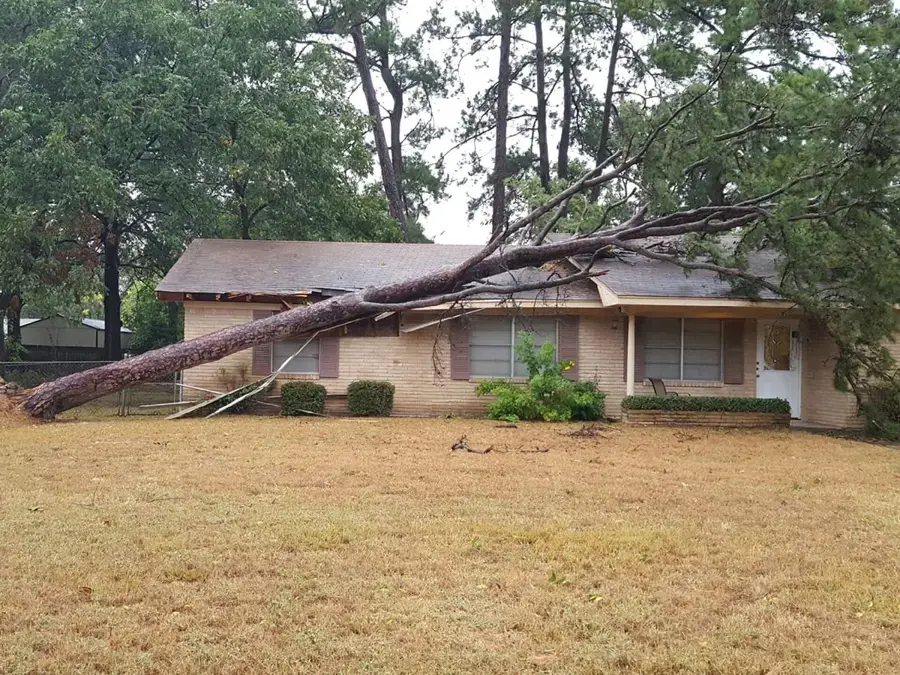
What to do first about fallen tree water damage in Chapel Hill
- 1
Get everyone out of that room
A tree on the roof can shift. Keep people and pets away from the damaged rooms.
- 2
Shut off power to wet rooms
If water is coming through light fixtures or ceilings, switch off those circuits at a dry panel.
- 3
Catch and move
Put buckets under drips, move furniture and electronics out of the path, and roll up wet rugs.
- 4
Photograph, then call
Photograph the tree and every wet area, then call so drying starts as soon as the opening is covered.
How fallen tree water damage is handled in Chapel Hill, NC
Storm water that came through a roof opening is dried from the attic down, on the same four-step standard the crews use on every loss.
- 1
Map
The tech who does the walkthrough maps moisture with pinless meters and thermal imaging before any equipment goes down.
- 2
Extract
The extraction crew pulls standing water with truck-mounted extraction, so the water leaves the house instead of moving to the next room.
- 3
Dry
The drying team sets air movers to each room's evaporation load and runs LGR dehumidifiers, or desiccants on Class 4 materials.
- 4
Verify
Crews record readings every day and pull equipment only when wet materials sit within 2 to 4 points of a dry reference.
What does fallen tree roof water damage cost in Chapel Hill, NC?
In Chapel Hill, NC, water damage cleanup after a tree comes through the roof typically runs $2,000 to $10,000 or more, depending on how long rain came in, how many rooms and ceilings got wet, how much insulation and drywall has to come out, and how many days of drying the attic needs. Tree removal and roof repair are separate costs.
One room, caught early
$2,000 to $4,000
- Attic insulation removal
- Ceiling drying
- Moisture mapping
Several rooms
$4,000 to $7,500
- Ceiling drywall removal
- Wall cavity drying
- Floor extraction
Overnight rain, wide spread
$7,500 to $10,000+
- Multiple rooms and levels
- Extended drying
- Full claim documentation
Ranges move with the water category, the square footage, the material class and how fast drying started. For a planning number, try the Chapel Hill water damage cost calculator.
Chapel Hill is one of the most wooded towns in the Triangle, and the tall oaks and loblolly pines over Estes Hills, Colony Woods, Timberlyne and Morgan Creek come down in summer thunderstorms, tropical storms and winter ice. The tree removal and the roof repair are separate trades. This page is about the water: rain that pours through the opening, soaks the attic insulation and runs down into ceilings and walls.
What happens after a tree opens a roof
- Rain comes straight in through broken decking and pools on the attic insulation
- Wet ceiling drywall sags, stains and can come down in pieces
- Water follows rafters and top plates into wall cavities a room or two away
- Branches that punch into the house can break windows and let rain onto floors
Storm rain that comes through a roof opening is usually treated as Category 1 or 2 at first, but it picks up debris, insulation fibers and whatever it crosses. The longer it sits, the more of the ceiling and insulation has to come out.
What the storm water crew handles
Once the tree service has the weight off the roof and the opening is covered with a tarp, the restoration team works from the attic down. The order matters, because drying a ceiling under a still-wet attic just moves the problem.
- Soaked blown-in or batt insulation removed from the attic
- Sagging or collapsed ceiling drywall taken down under the wet area
- Standing water extracted from floors and carpet below
- Air movers and LGR dehumidifiers set in the attic and the rooms below
- Moisture mapping of nearby walls with pinless meters and thermal imaging
Photos first, then cleanup
Take wide photos of the tree on the roof and the damage inside before anything is moved. The crew adds timestamped photos before any demolition, which is what an adjuster looks for on a storm claim.
Why fast drying matters after a storm
Mold can start growing on wet drywall and insulation within 24 to 48 hours, and humid Carolina air slows natural drying. A contained attic and ceiling loss usually dries in three to five days once equipment is running. Plaster ceilings in older downtown homes take longer.
Ready.gov hurricane guidance explains storm preparation, and the National Weather Service thunderstorm safety page covers the downbursts that bring trees down. For the roof envelope itself, see roof leak water damage and ceiling leak water damage.
Where the fallen tree water damage crews work
The Chapel Hill restoration crew covers the whole town and Carrboro, from Franklin Street, Northside and Glen Lennox to Timberlyne, Southern Village, Meadowmont and Governors Club, across ZIP codes 27514, 27516 and 27517.
See every neighborhood and ZIP codeRelated water damage services in Chapel Hill
Fallen Tree Roof Water Damage questions from Chapel Hill homeowners
Straight answers about fallen tree water damage in Chapel Hill and Carrboro.
Who removes the tree and who handles the water?
Tree removal and roof repair are separate trades. The water damage side covers extraction, removing soaked insulation and drywall, and drying the structure. The restoration crew works once the weight is off the roof and the opening is covered.
Does all the wet insulation have to be replaced?
Soaked insulation is almost always removed, because it holds water against the ceiling and dries very slowly. New insulation goes in after the attic framing reads dry.
Can a sagging ceiling be saved?
A stained ceiling that is still firm can often be dried in place. A ceiling that sags, bulges or holds water is taken down under the wet area, which also lets the attic above dry faster.
Is a tree on the roof covered by insurance?
Many homeowners policies treat a tree falling on the house in a storm as a covered event, but the details vary by policy and by what caused the tree to fall. Coverage depends on your policy, so it is worth checking with your own insurer.
How long does drying take after a storm opening?
A contained attic and ceiling loss usually dries in three to five days once equipment is running. Plaster, heavy framing and wet walls take longer, and equipment stays until the readings say dry.
What should I photograph for the claim?
The tree on the roof from outside, the opening from the attic if safe, every wet ceiling and wall, and damaged belongings. The drying team adds daily moisture readings and pre-demolition photos to the file.
Fallen Tree Roof Water Damage in Chapel Hill? Get the drying started today.
Every hour of standing water pushes it deeper into subfloor, drywall and framing. The Chapel Hill drying team works around the clock.